EV Maintenance Tips · EVCar Data Desk
Kia Sportage PHEV 4WD: Essential EV Maintenance and Recall Guide

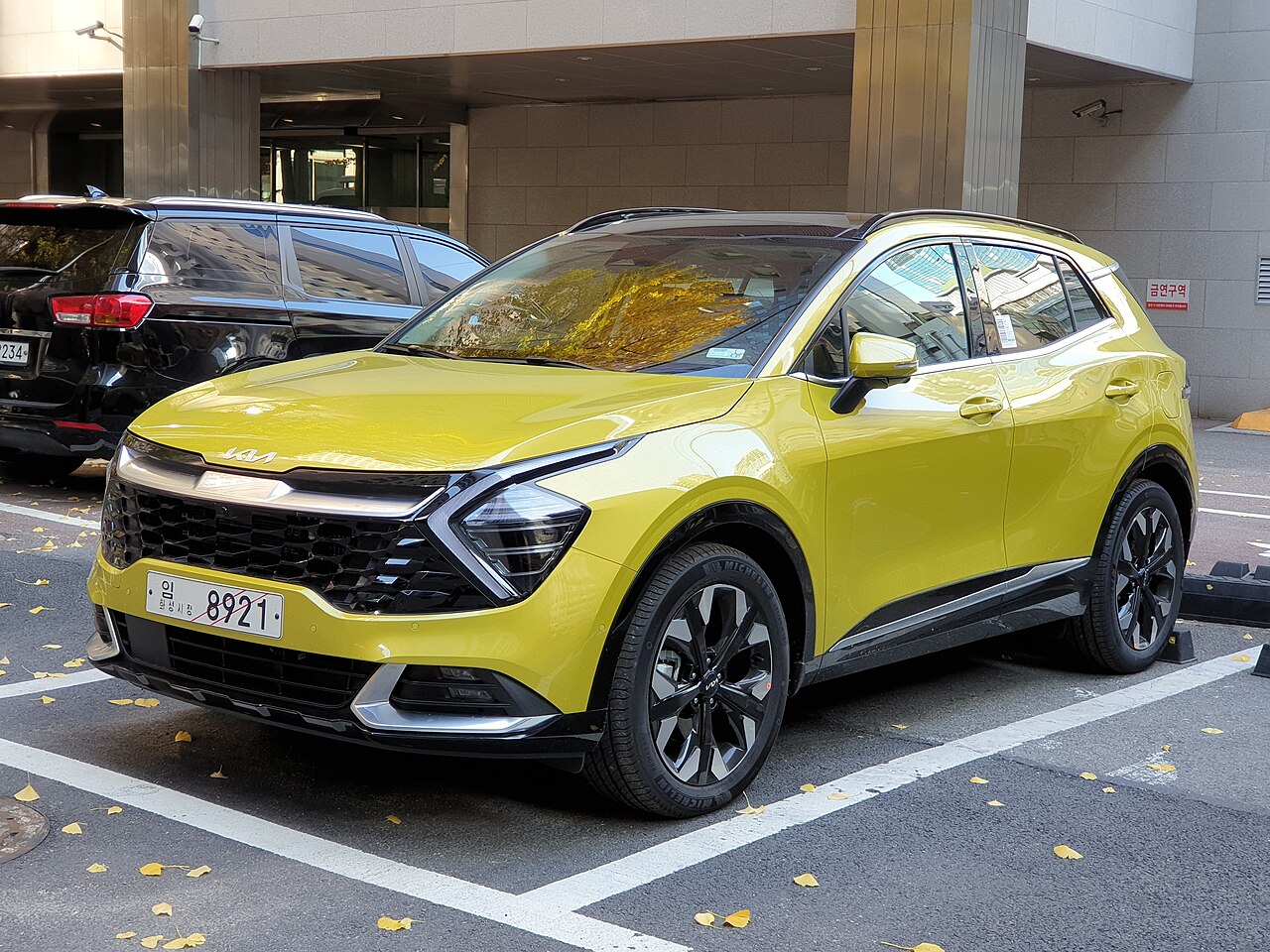
The 2027 Kia Sportage Plug-in Hybrid Small Sport Utility Vehicle 4WD delivers an EPA estimated total range of 470 miles and a combined efficiency of 36 MPGe. It has no recalls reported by NHTSA as of the latest data and features a 2.00 hours charge time using a standard 240V Level 2 charger. This profile positions the Sportage PHEV as a reliable and efficient option that balances electric and gasoline usage for buyers focused on range and convenience.
Key Findings
- The Sportage PHEV 4WD offers an extensive EPA total range of 470 miles, accommodating longer trips without frequent gas refueling.
- It achieves a combined MPGe of 36, reflecting good energy efficiency for a plug-in hybrid SUV.
- City and highway MPGe are consistent at 35 MPGe and 36 MPGe, indicating balanced performance across driving conditions.
- Level 2 charging takes about 2.00 hours to fully recharge the battery, supporting daily usability.
- NHTSA reports zero recalls for the 2027 model, suggesting strong initial reliability and safety standards.
Understanding EPA Range and What It Means for You
The 470-mile total EPA range of the Kia Sportage PHEV represents the combined distance achievable using both electric and gasoline power before refueling or recharging is needed. For buyers, this means a significant driving distance without concern for range anxiety, especially if your daily driving can rely more on electric power and longer trips can utilize the gasoline engine. This total range figure helps compare the vehicle effectively with other plug-in hybrids and traditional hybrids by showcasing how far you can drive under typical EPA test conditions.
Efficiency Breakdown: City vs Highway Driving
The vehicle’s city MPGe is 35, and highway MPGe is 36, which are very close values indicating consistent fuel efficiency regardless of driving environment. Generally, hybrids can perform better in city driving where regenerative braking maximizes electric energy recapture, but the Sportage PHEV’s balanced numbers suggest drivers will experience reliable efficiency across most use cases. This stability is an asset for buyers who split their driving between urban commutes and open roads.
Charging Time Considerations
Charging the battery using a Level 2 240V charger takes approximately 2.00 hours. This moderate charge time is suitable for overnight home charging or quick top-ups during short stops. Buyers should ensure access to Level 2 charging infrastructure at home or work for the best ownership satisfaction. The absence of fast DC charging time data indicates this vehicle primarily targets plug-in hybrid practicality over full electric rapid charging convenience.
Recall Status and Implications for Ownership
According to NHTSA, the 2027 Kia Sportage PHEV 4WD has 0 recalls. While this reflects positively on the model’s early reliability and safety record, prospective owners should remain vigilant by regularly checking for upcoming recalls through official channels. Staying updated ensures prompt attention to any potential safety or mechanical issues that could arise during the vehicle’s lifecycle.
Who Should Consider the Kia Sportage PHEV 4WD?
This plug-in hybrid SUV is well suited for buyers seeking a versatile vehicle that offers both electric driving for short daily commutes and gasoline range flexibility for longer trips. Its consistent efficiency across city and highway use, combined with a lengthy EPA total range, makes it a solid choice for drivers wanting low emissions without the range limitations of a fully electric SUV. Additionally, those with access to Level 2 charging will benefit from convenient and relatively fast battery recharge cycles.
Limitations and Important Details
While the Sportage PHEV offers strong range and efficiency, it is important to note that the charging time is moderate, and no data on DC fast charging is provided. Buyers primarily relying on long-distance fast charging may need to consider other vehicles or supplement with gasoline. Additionally, EPA range estimates are standardized test results and real-world driving conditions including temperature, terrain, and driving style can affect actual range and efficiency.
| Specification | Value |
|---|---|
| EPA Total Range | 470 miles |
| Combined MPGe | 36 MPGe |
| City MPGe | 35 MPGe |
| Highway MPGe | 36 MPGe |
| Level 2 Charge Time (240V) | 2.00 hours |
| NHTSA Recalls | 0 recalls |

Frequently Asked Questions
What is the total driving range of the Kia Sportage PHEV?
The EPA estimated total range is 470 miles combining electric and gasoline power.
How efficient is the Sportage PHEV in city and highway driving?
It delivers about 35 MPGe in city driving and 36 MPGe on highways, showing stable efficiency.
How long does it take to fully charge the battery using a Level 2 charger?
Charging time with a 240V Level 2 charger is approximately 2.00 hours.
Are there any recalls for the 2027 Kia Sportage PHEV?
No recalls have been reported by NHTSA for this vehicle as of the latest update.
Who is the ideal candidate for this plug-in hybrid SUV?
Buyers who want electric driving for short daily trips combined with a gasoline engine for long range will find this Sportage PHEV well aligned with their needs.
Conclusion: Confident Ownership with Efficient Range and Strong Safety
The 2027 Kia Sportage Plug-in Hybrid 4WD stands out with an excellent EPA total range of 470 miles and balanced efficiency figures that suit diverse driving environments. Its moderate 2.00-hour Level 2 charge time and absence of current recalls add to the appeal for buyers seeking a reliable, well-rounded plug-in hybrid SUV. Monitoring charging practices, observing routine maintenance guidelines for plug-in hybrids, and staying informed about any future recalls will help maintain optimal performance and safety over the vehicle’s life.
Data Sources
- EPA Fuel Economy Data: EPA Vehicle Data (retrieved 2026-08-20)
- NHTSA Recall Database: NHTSA Recalls (retrieved 2026-08-20)