Tesla Alternatives · EVCar Data Desk
Volkswagen ID. Buzz vs Tesla Model Y: Range, Efficiency, and Recall Facts
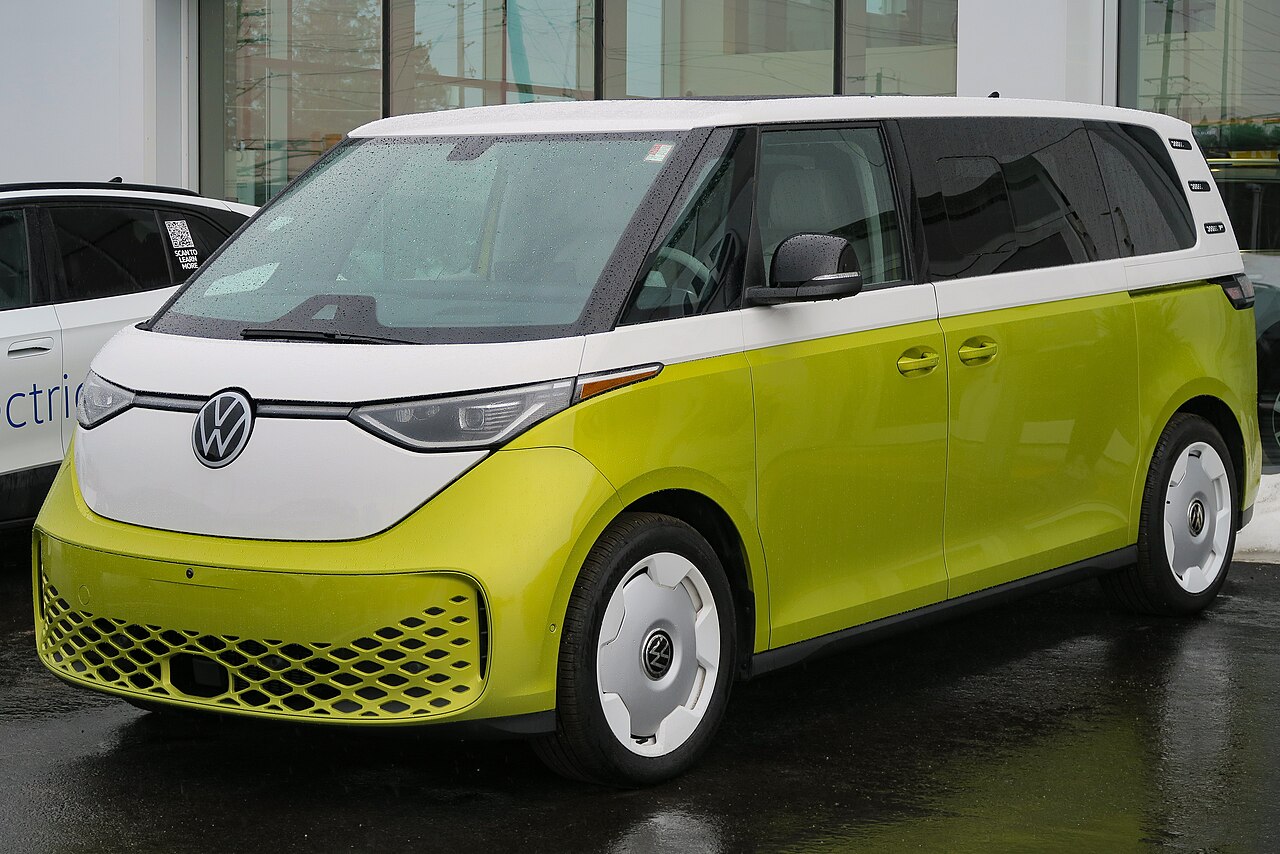
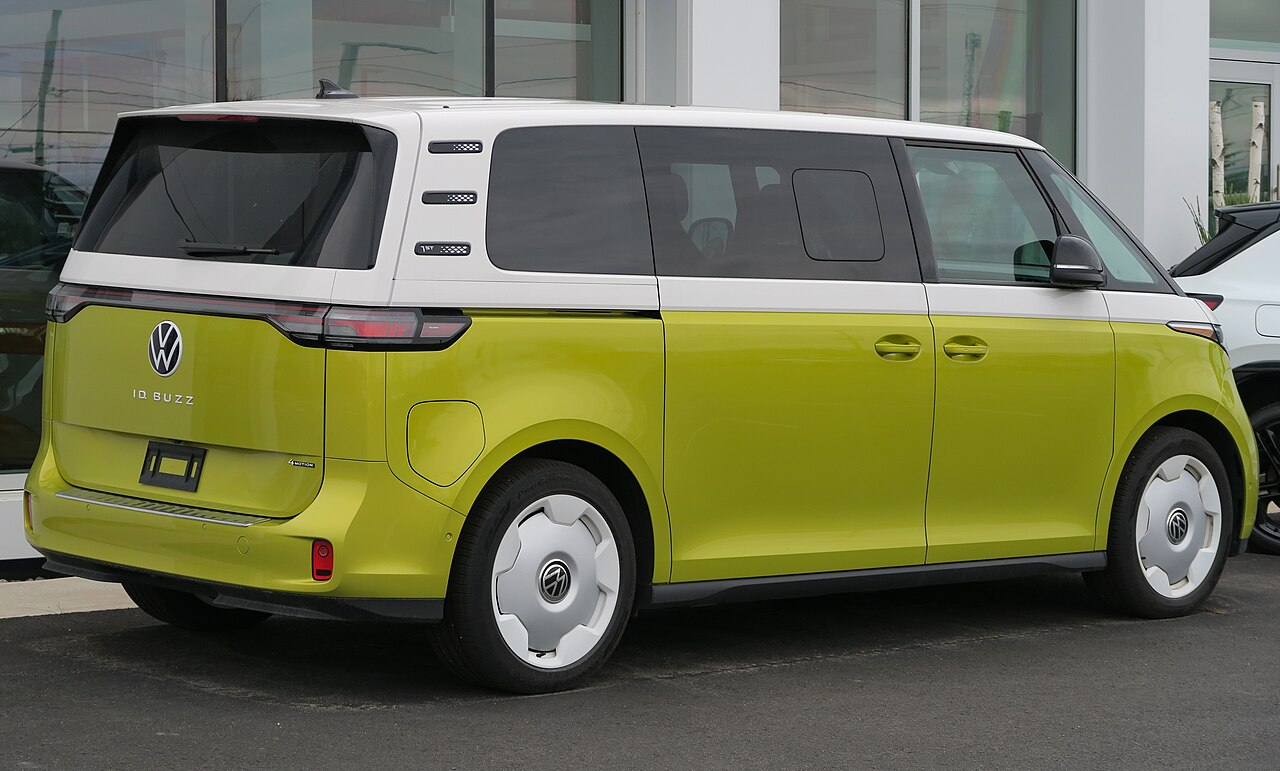
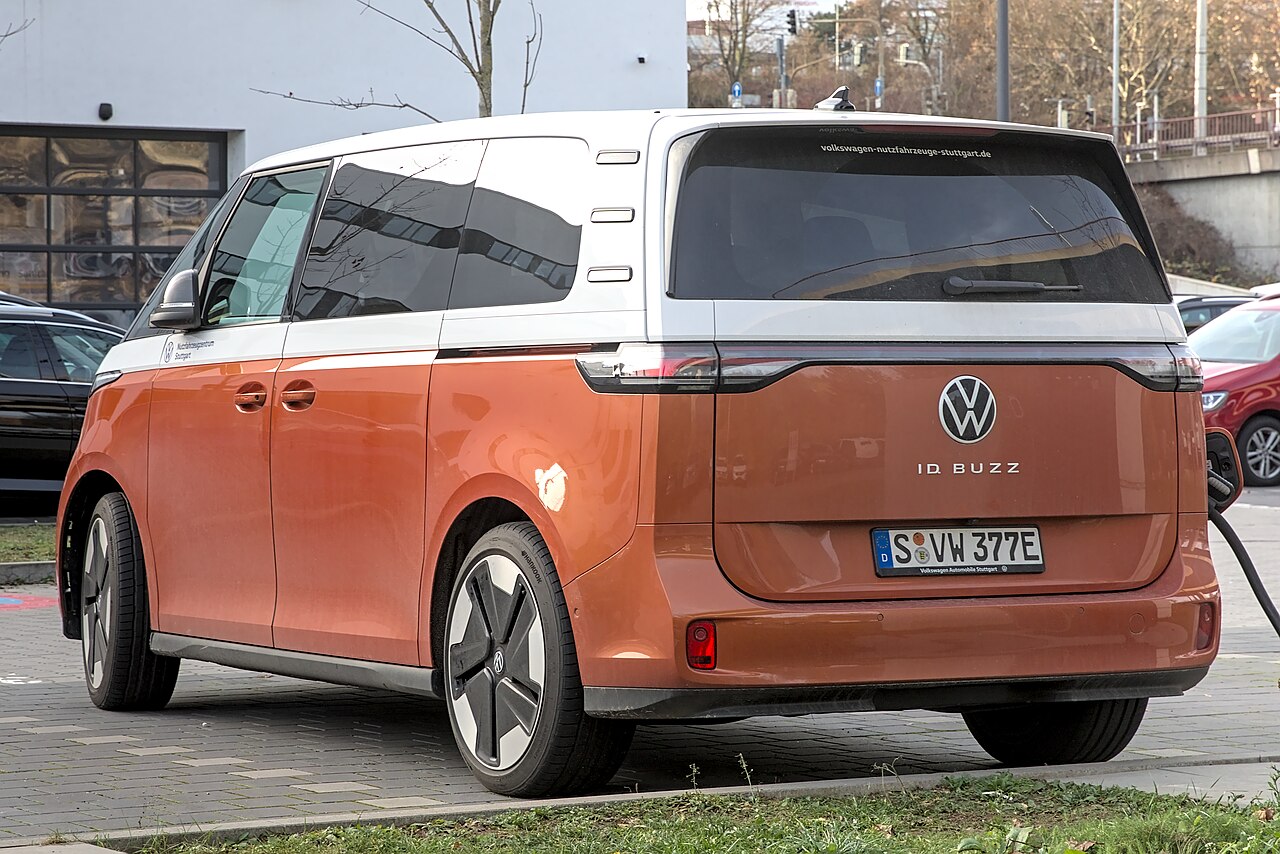
When choosing between the 2027 Volkswagen ID. Buzz 4motion minivan and the 2027 Tesla Model Y L small SUV, buyers face a tradeoff between vehicle type and key performance metrics. The Tesla Model Y leads in EPA-rated driving range and energy efficiency, while the VW ID. Buzz offers a unique all-wheel-drive minivan design with slightly quicker Level 2 charging. Both models currently have zero NHTSA recalls, indicating solid initial quality and safety standing. Understanding these EPA statistics and their implications can guide buyers toward the best fit for their needs.
Key Findings
- The Tesla Model Y L boasts an EPA range of 328 miles, significantly more than the VW ID. Buzz 4motion's 229 miles.
- Regarding energy efficiency, Tesla achieves a combined 114 MPGe compared to VW's 82 MPGe, indicating lower electricity consumption per mile.
- The VW ID. Buzz’s Level 2 charge time is faster at 8.5 hours versus Tesla’s 10.4 hours, potentially benefiting owners with overnight charging routines.
- Both vehicles have no recorded NHTSA recalls, reflecting no current widespread safety or defect issues.
- In city driving, the Model Y achieves 119 MPGe, outperforming the ID. Buzz's 89 MPGe, with similar advantages on highways as well.
EPA Range Comparison
The EPA-rated range commonly serves as a baseline estimate of how far each EV can travel on a full charge. The Model Y’s range of 328 miles eclipses the ID. Buzz’s 229 miles by nearly 100 miles, a significant difference for long-distance travelers. This aligns with the Model Y’s sleeker SUV design and established powertrain efficiency. Buyers prioritizing maximum distance per charge will likely favor the Tesla for fewer stops and more route flexibility.
Energy Efficiency: MPGe Ratings
Energy efficiency reflected by MPGe (miles per gallon gasoline equivalent) indicates how economically each vehicle uses energy. The higher combined rating of 114 MPGe for Model Y demonstrates better energy conversion and aerodynamic advantages compared to the ID. Buzz’s 82 MPGe. This efficiency also translates into lower operational electricity consumption and cost per mile in typical driving conditions.
Charging Time and Convenience
The ID. Buzz’s Level 2 (240V) charging time is 8.5 hours, shorter than the Model Y's 10.4 hours. This difference means the VW may reach a full charge a bit quicker from common home charging setups, potentially enhancing overnight recharge convenience. However, Tesla’s extensive Supercharger network offers faster DC charging options, which are not reflected in the EPA Level 2 charge times.
Vehicle Usage Profiles and Buyer Suitability
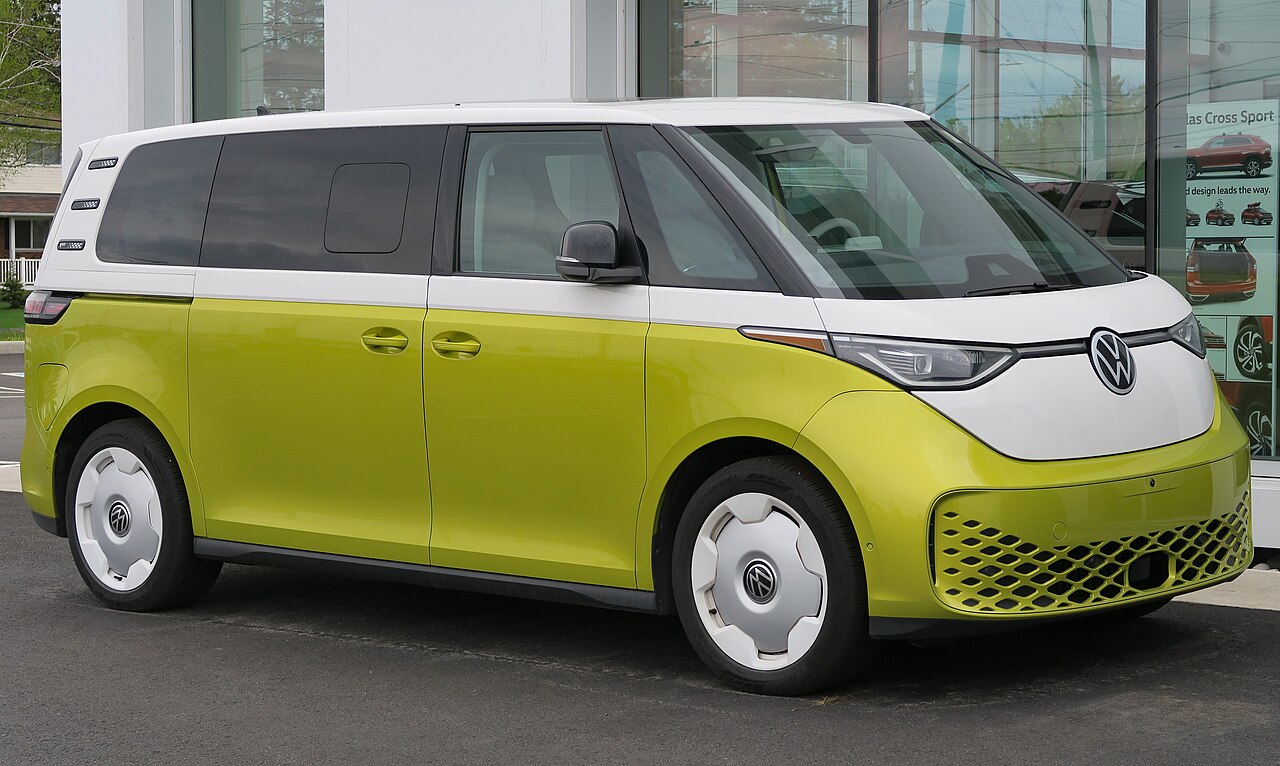
The ID. Buzz’s minivan form factor with AWD targets families or those needing flexible cargo/passenger configurations, with modern electric propulsion. The Model Y L, a small SUV with AWD and 20-inch wheels, suits buyers looking for sporty styling, higher range, and efficiency. Buyers weighing space and shape versus maximum range and efficiency should consider their typical driving patterns, passenger needs, and charging infrastructure availability.
Recall and Reliability Considerations
Both the 2027 Model Y and ID. Buzz 4motion show a clean slate with zero NHTSA recalls as of current data. While not a guarantee of long-term reliability, this status indicates an absence of major safety or manufacturing defects reported so far. Prospective buyers can feel reassured that initial vehicle models are free from recall-driven interruptions or safety advisories.
| Specification | 2027 Volkswagen ID. Buzz 4motion | 2027 Tesla Model Y L (20in Wheels) |
|---|---|---|
| EPA Range | 229 miles | 328 miles |
| Combined MPGe | 82 MPGe | 114 MPGe |
| City MPGe | 89 MPGe | 119 MPGe |
| Highway MPGe | 74 MPGe | 108 MPGe |
| Level 2 (240V) Charge Time | 8.5 hours | 10.4 hours |
| NHTSA Recall Count | 0 recalls | 0 recalls |
Frequently Asked Questions
Which vehicle offers a longer driving range?
The 2027 Tesla Model Y L offers a longer EPA range of 328 miles compared to the Volkswagen ID. Buzz 4motion’s 229 miles.
How do their energy efficiencies compare?
The Model Y achieves better combined energy efficiency at 114 MPGe while the ID. Buzz rates at 82 MPGe, meaning the Tesla uses less energy per mile driven.
Is there a recall history for either vehicle?
Both models currently have no NHTSA recalls, indicating no reported widespread safety issues so far.
Which EV charges faster on a Level 2 charger?
The VW ID. Buzz charges faster, fully recharging in about 8.5 hours versus the Tesla Model Y's 10.4 hours at 240 volts.
Who is best suited to each vehicle?
The ID. Buzz suits buyers needing a spacious electric minivan with AWD, while the Model Y is for those seeking higher range and efficiency in a small SUV form with sporty features.
Conclusion: Tesla Remains the Range and Efficiency Benchmark
Comparing the 2027 Volkswagen ID. Buzz 4motion with the Tesla Model Y L reveals that Tesla retains a clear edge in EPA driving range and energy efficiency. The Model Y’s ability to travel 328 miles outmatches the ID. Buzz’s 229 miles, offering greater range confidence for long trips. However, VW’s faster Level 2 charging and unique minivan design provide a compelling option for buyers prioritizing daily usability and vehicle configuration over maximum range. With no recalls reported for either, the choice hinges on whether you value Tesla’s efficiency and range leadership or Volkswagen’s alternative form and charging speed advantages in an AWD electric vehicle.
Data Sources
- EPA: Official Fuel Economy Data
- NHTSA: Recall Database