EV vs Gas Car Comparison · EVCar Data Desk
Comparing Running Costs: VW ID. Buzz Minivan EV vs Gasoline

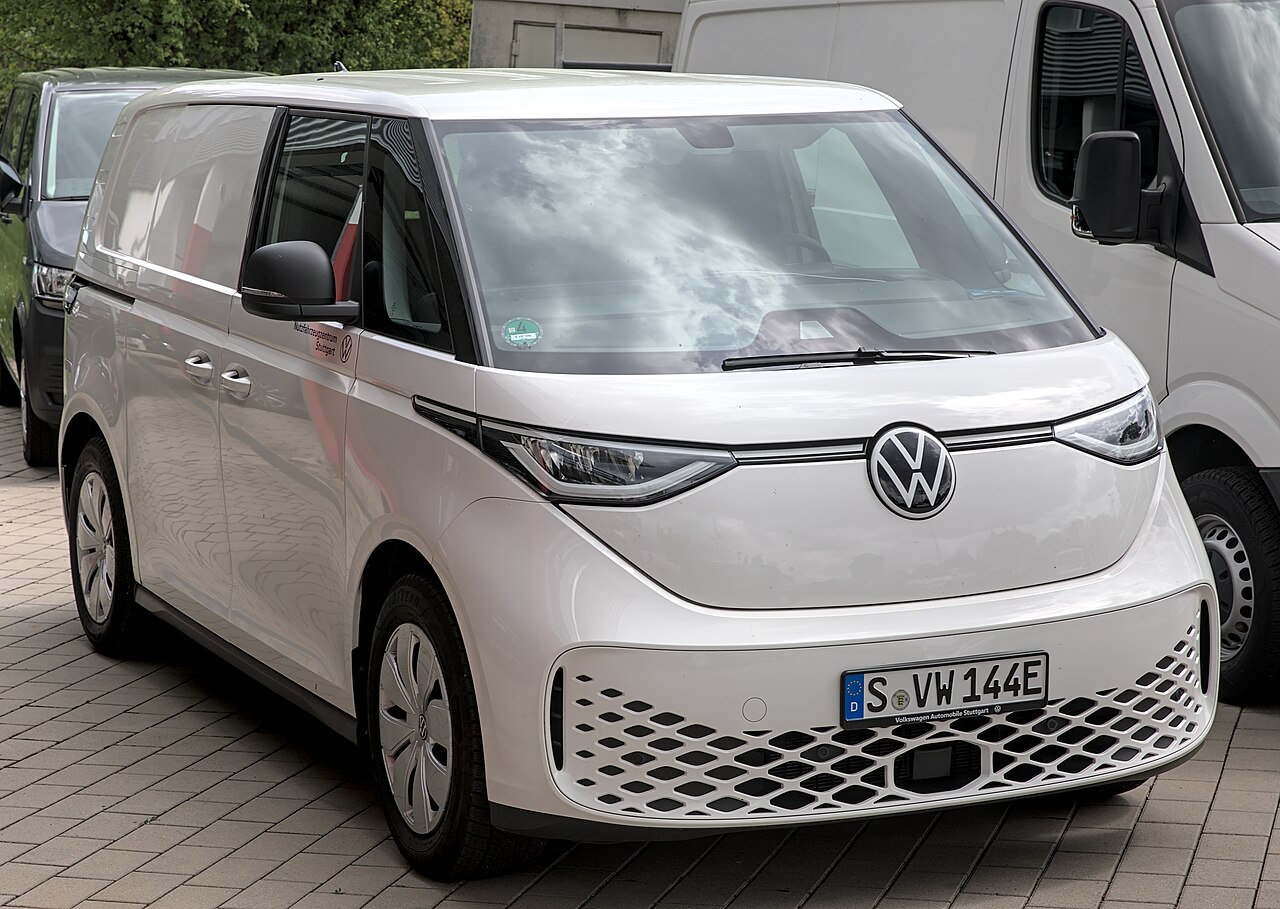
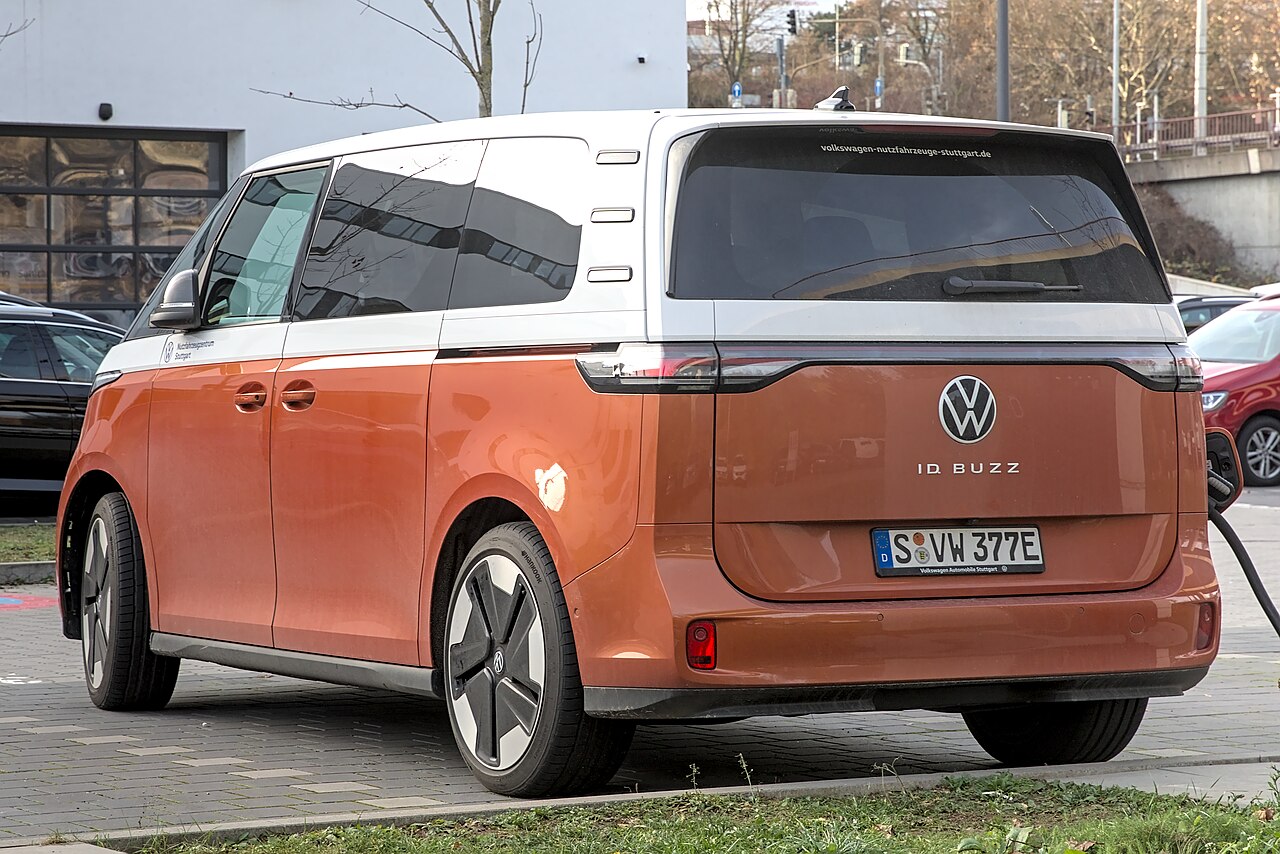
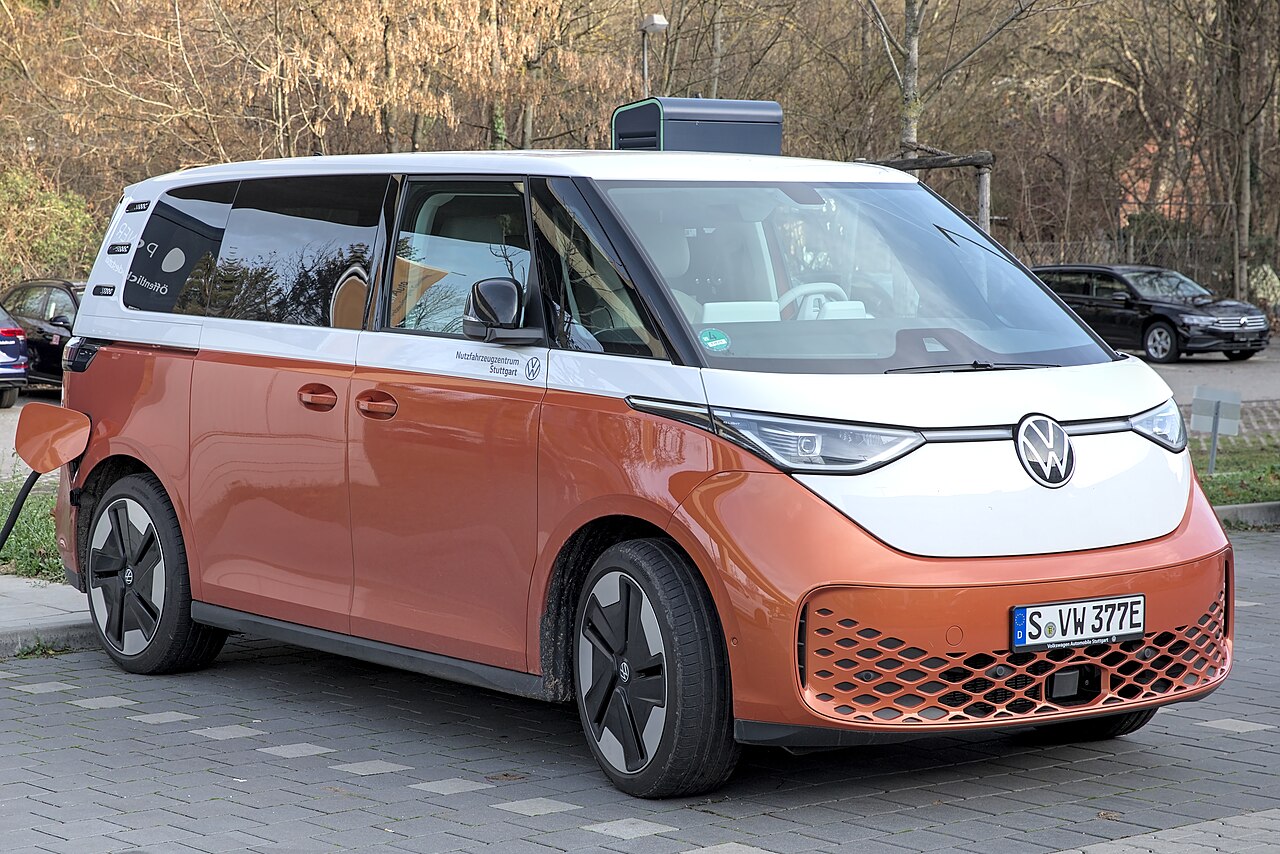
The 2027 Volkswagen ID. Buzz Minivan 2WD delivers an economical driving experience with a combined efficiency rating of 87 MPGe. When paired with current US average residential electricity prices of 18.3100 cents/kWh, this electric minivan's cost per 100 miles is about $7.09. This is roughly half the fuel cost of a comparable gasoline vehicle, which spends approximately $14.49 per 100 miles given an average US gasoline price of $4.0580 per gallon and a conventional fuel economy baseline. Over a typical 12,000-mile driving year, owners might save nearly $888 on fuel costs.
Key Findings
- The ID. Buzz Minivan 2WD achieves an EPA combined efficiency of 87 MPGe, indicating strong energy use efficiency.
- At current average US electricity rates, the EV's electricity cost per 100 miles is $7.09, compared to $14.49 for gasoline fuel on a per-100-mile basis.
- The potential annual fuel cost savings versus a gasoline vehicle totaling $888 can improve the total cost of ownership for the electric minivan.
- Electric running costs vary with local electricity prices, but nationwide averages show substantial savings compared to gasoline costs at $4.0580 per gallon.
Understanding the Efficiency and Cost Advantage
The combined MPGe rating of 87 means the ID. Buzz Minivan uses energy efficiently relative to gasoline vehicles. MPGe measures the miles traveled per equivalent unit of energy, facilitating direct cost comparisons between electricity and gasoline. EPA's rating is based on standardized cycles and may differ from real-world driving conditions but provides a reliable baseline.
Electricity Pricing and Its Impact on Running Costs
US residential electricity prices average 18.3100 cents per kWh as of late 2026. This rate is critical since it directly influences the cost to charge the vehicle. The ID. Buzz's electricity cost per 100 miles, estimated at $7.09, reflects this price combined with its EPA efficiency. Buyers in regions with lower electricity rates may see even greater savings.
Gasoline Cost Baseline for Comparison
Traditional gasoline vehicles are compared here using an average US gasoline price of $4.0580 per gallon and a fuel economy baseline typical for minivans or similar vehicles. Given these metrics, the gasoline running cost per 100 miles stands at $14.49, about twice the charging cost of the ID. Buzz EV.
Annual Savings Potential
Over a standard driving distance of 12,000 miles per year, the cost to power the ID. Buzz Minivan 2WD with electricity instead of gasoline results in an estimated fuel cost savings of $888. For prospective buyers, these savings can mitigate the higher initial purchase cost of an EV over time.
Who Benefits Most from the ID. Buzz EV?
This electric minivan suits buyers who value lower operational costs, reduced tailpipe emissions, and smooth, quiet driving. It is particularly appealing to those with access to reasonably priced home charging and drives that fit within the vehicle's electric range. The notable cost savings can be a persuasive factor compared to similar gasoline models.
| Metric | Value | Unit |
|---|---|---|
| Combined MPGe | 87 | MPGe |
| Electricity Price | 18.3100 | cents/kWh |
| Gasoline Price | 4.0580 | dollars/gallon |
| EV Electricity Cost per 100 Miles | 7.09 | dollars |
| Gasoline Cost per 100 Miles | 14.49 | dollars |
| Estimated Annual Fuel Savings | 888 | dollars |

Frequently Asked Questions
How efficient is the 2027 VW ID. Buzz Minivan compared to typical gasoline vehicles?
With a combined efficiency of 87 MPGe, the ID. Buzz EV is significantly more efficient than average gasoline minivans, which typically have much lower miles per gallon ratings.
What is the current cost of charging the ID. Buzz for 100 miles?
Under average US residential electricity prices of 18.3100 cents/kWh, charging costs are approximately $7.09 per 100 miles driven.
How much does it cost to drive 100 miles in a gasoline car under current fuel prices?
A gasoline vehicle costs roughly $14.49 to cover 100 miles at a gasoline price of $4.0580 per gallon.
What annual fuel cost savings can be expected by choosing the ID. Buzz EV?
On average driving of 12,000 miles yearly, the EV offers estimated fuel cost savings of about $888 compared to a gasoline minivan.
Do electricity prices affect these savings significantly?
Yes. The savings depend greatly on local residential electricity rates; lower rates increase savings, while higher rates decrease them. However, current national averages demonstrate clear cost benefits of electric operation.
Conclusion: Is the ID. Buzz EV the smarter financial choice for running costs?
The 2027 Volkswagen ID. Buzz Minivan 2WD's strong EPA-rated efficiency paired with US average electricity rates delivers substantially lower running costs than similar gasoline vehicles. For buyers prioritizing operational savings alongside electric driving benefits, the ID. Buzz represents a cost-effective option for a family minivan. Actual savings will vary based on local energy prices and driving habits, but the available data shows clear advantages for choosing electric propulsion when considering fuel costs alone.