EV Charging Stations · EVCar Data Desk
What You’ll Pay to Charge the Volkswagen ID. Buzz Minivan in 2027
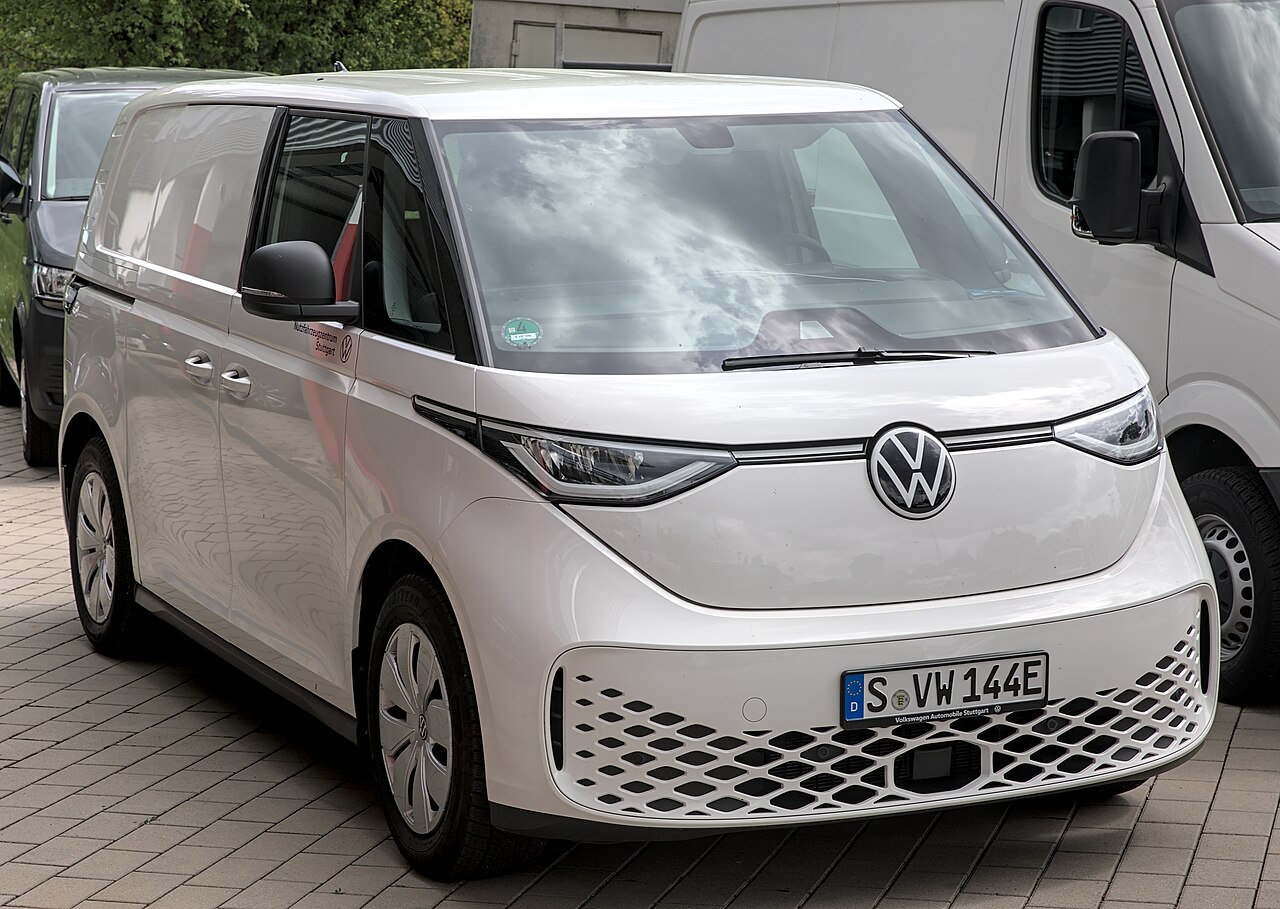
The 2027 Volkswagen ID. Buzz Minivan - 2WD offers an EPA-rated range of 245 miles and a combined efficiency of 87 MPGe. Using the most recent US residential electricity price of 18.31 cents/kWh, drivers can expect a charging cost of about $7.09 per 100 miles and approximately $17.37 to fully charge the battery from empty to full range.
Key Findings
- The ID. Buzz 2WD minivan’s EPA range is 245 miles, adequate for most daily and moderate distance trips.
- With a combined efficiency of 87 MPGe, the vehicle consumes roughly 38.7 kWh of electricity per 100 miles driven.
- Based on the 18.31 cents per kWh US average residential electricity price, charging costs are estimated at $7.09 per 100 miles.
- It costs about $17.37 to fully charge the minivan’s battery to its maximum EPA range capacity.
Understanding EPA Efficiency and Range
The ID. Buzz Minivan's combined EPA rating of 87 MPGe represents the miles per gallon equivalent, measuring how efficiently the vehicle uses electrical energy compared to a traditional gasoline engine. This figure translates to consuming 38.7 kWh for every 100 miles on average, which is a useful measure for calculating electricity costs.
Charging Cost Breakdown for US Residents
The average US residential electricity price used in these calculations is 18.31 cents per kWh, which is a national average and can vary by state, utility, and time of use. Applying this rate, charging the vehicle uses electricity costing about $7.09 to cover 100 miles of driving. A full charge to cover the combined EPA range of 245 miles costs around $17.37.
Practical Implications for Buyers
For buyers evaluating total cost of ownership, the ID. Buzz’s electricity efficiency provides a clear advantage over many traditional combustion minivans, translating to lower fuel expenses especially if home charging at residential rates. The 245-mile range on a full charge is practical for most daily commutes and moderate trips, limiting the frequency of charging stops during typical use.
Limitations and Considerations
Real-world range and efficiency may differ depending on driving style, terrain, climate, and use of vehicle features like heating or air conditioning. Additionally, electricity rates can vary significantly by location and time of day. Public fast charging might come at higher costs, so the residential cost context is most relevant for home charging scenarios.
Summary Table: Charging Cost Estimates for 2027 Volkswagen ID. Buzz Minivan - 2WD
| Measure | Value |
|---|---|
| EPA Combined MPGe | 87 MPGe |
| EPA Range | 245 miles |
| Electricity Use per 100 miles | 38.7 kWh |
| US Average Residential Electricity Price | 18.31 cents/kWh |
| Charging Cost per 100 miles | $7.09 |
| Full-Range Charge Cost | $17.37 |
Frequently Asked Questions
How far can the 2027 Volkswagen ID. Buzz Minivan travel on a full charge?
Its EPA rated range is 245 miles, which indicates the estimated distance it can travel under standardized test conditions before requiring recharge.
What is the vehicle’s energy efficiency?
The ID. Buzz achieves a combined efficiency of 87 MPGe, consuming about 38.7 kWh per 100 miles driven.
How much does it cost to charge per mile?
Charging costs amount to roughly $7.09 per 100 miles, translating to about 7 cents per mile under average US residential electricity rates.
What influences the charging cost the most?
The average residential electricity price, currently at 18.31 cents per kWh, is the key factor determining the cost to charge the vehicle.
Are the quoted costs reflective of public charging prices?
The provided costs reflect US average residential electricity rates and may differ from public charging station fees, which can be higher.
Conclusion: Efficient and Affordable Charging for the ID. Buzz Minivan
The 2027 Volkswagen ID. Buzz Minivan - 2WD demonstrates a competitive electric efficiency with its combined 87 MPGe rating and substantial EPA range of 245 miles. With US average residential electricity prices, owners can expect charging costs around $7.09 per 100 miles, making it a cost-effective option compared to many gas-powered minivans. Understanding these figures helps potential buyers gauge the running costs and economic benefits tied to owning this EV in the US market.